


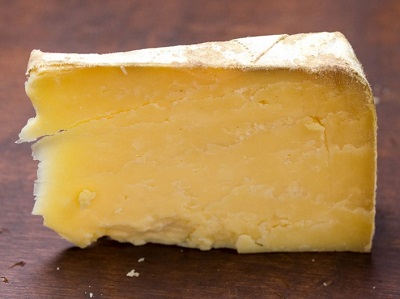
Parmesan is one of the world’s best-known cheeses, with a history dating to the 11th–12th centuries. It comes from northern Italy, around Parma and Reggio Emilia. Made from skimmed cow’s milk, it is hard and suitable for grating. In Italy it is still traditionally eaten with pasta and ravioli. It matures for at least a year, though some wheels are aged for as long as ten years.
It is one of the simpler cheeses to make at home. It is pressed under relatively light weights, about 10 kg per kilogram of cheese, without washing or kneading the curd. The cheesemaker’s main task is to heat the grains slowly and stir continuously to obtain the characteristic grainy, crumbly texture.
Homemade Parmesan can also be made from whole milk straight from the cow. It will be a little more elastic, ideal for slicing, sandwiches, canapé bites and serving with wine or beer. It gradually hardens, becoming a hard cheese after a year in a cellar or another cool place.
Adding natural lipase or using a mixture of cow’s and goat’s milk makes the cheese sharper and spicier. A few months of ageing brings out a wonderful flavour.
Making Parmesan at home, step by step:
1. Add PG Parmesan starter culture to milk at about 32–33°C. For shop-bought pasteurised milk, also add the special salt calcium chloride. Stir thoroughly, add the appropriate rennet dose, stir again and leave for 30–60 minutes, watching the curd.
our one-and-a-half-year-old daughter stirs the curd
2. Cut the curd with a knife or curd harp into cubes of about 0.5–1 cm.
3. Stirring continuously, slowly raise the temperature to 37–38°C, at 2°C every 5 minutes.
4. Increase the heat slightly, whether using coal, gas, electric or induction. Continue stirring and raise the temperature by 3°C every 5 minutes to 51°C. The grains should now be rice-sized and squeak slightly when bitten. Leave for 5–10 minutes.
5. Transfer the curd to a cheesecloth-lined mould with a pressing lid. A microperforated mould does not require cloth. Press for 15 minutes under 2.5 kg per kilogram of cheese.
6. Turn the cheese in the mould and press for 30 minutes under 5 kg per kilogram.

7. Turn again and press for about 2 hours under 7.5 kg per kilogram.
8. Finally, press at room temperature for 12 hours under 10 kg per kilogram. Bacteria develop the correct acidity, the cheese knits together, remaining whey is expelled and a protective rind forms. This important stage prepares it for months of maturation.
9. Salt in 18–20% brine at room temperature, for about 24 hours for a one-kilogram cheese. Larger cheeses need longer.

10. Finally, mature the cheese. About 12°C is ideal, though 8–15°C is acceptable at home. Turn frequently for even drying and to prevent rot. After a few weeks, rub with olive oil to prevent excessive drying. Occasional light surface mould is normal. Remove it with a brush or brine-dampened cloth, or with vinegar in severe cases where it has spread.
After 2–3 months the cheese already tastes good and can be sliced.
It becomes sharper and harder with time.
Delicious!